Essential Guides for Treating Heel Pain
Do you suffer from recurring heel pain? Don’t let your sore heels keep you down—with the right knowledge, a natural treatment plan can help reduce or even eliminate this painful condition. With essential guides and resources on treating Heel Pain, we provide an understanding of all stages of the healing process as well as holistic approaches to managing symptoms and regaining strength over time. Dive in here to learn how making strategic changes to your lifestyle can result in significant relief for those suffering from chronic heel pain. Read on for tips and strategies that could make a meaningful impact in improving overall foot health––taking active measures for daily wellness!
 Heel Pain
Overview of Common Heel Pain Causes
Heel pain can be a debilitating condition that affects the daily lives of many individuals. There are several common causes of heel pain, with the most prevalent being plantar fasciitis. This occurs when the plantar fascia, a ligament that runs along the bottom of the foot, becomes inflamed. Other common causes include Achilles tendinitis, heel spurs, and stress fractures. While these conditions can cause discomfort and limit mobility, there are several treatment options available. Rest, ice, stretching, and orthotic inserts are some of the ways to alleviate symptoms and promote healing. For those with persistent heel pain, seeking medical advice from a healthcare provider is recommended.
Understanding Common Treatments for Heel Pain
Heel pain can be debilitating and impact your daily life, but there are several common treatments that can relieve your discomfort. One option is stretching and physical therapy to strengthen the muscles and tendons surrounding the heel. Another treatment is wearing supportive footwear or custom orthotics to distribute pressure evenly throughout the foot. Nonsteroidal anti-inflammatory drugs (NSAIDs) can also be effective in reducing inflammation and pain. In severe cases, corticosteroid injections or surgery may be necessary. It is important to consult with a healthcare professional to determine the best course of treatment for your individual case of heel pain.
Tips to Quickly Alleviate Heel Pain
Heel pain can be an incredibly frustrating and debilitating issue, making even the simplest tasks feel impossible. While it’s important to see a medical professional determine the underlying cause of your pain, there are some simple things you can do at home to alleviate discomfort. First, try stretching your calves regularly to help loosen up any tightness that might be contributing to your pain. Additionally, wearing supportive shoes with proper arch support can also make a big difference. It’s also essential to avoid standing or engaging in strenuous activities for extended periods and rest your feet as frequently as possible.
Steps to Take for Long-Term Relief from Heel Pain
Heel pain can be a frustrating and persistent issue, but there are steps you can take for long-term relief. The first step is to properly assess the cause of your heel pain. This could be a result of overuse, poor footwear, or an underlying medical condition. Once you know the root cause, you can begin a tailored treatment plan. This may include exercises or stretches targeted to your specific issue, supportive footwear, or a custom orthotic. It’s important to also rest and allow your heels time to heal. If the pain persists, consult with a healthcare professional for further guidance and potential medical intervention. With patience and diligence, you can find long-term relief from heel pain.
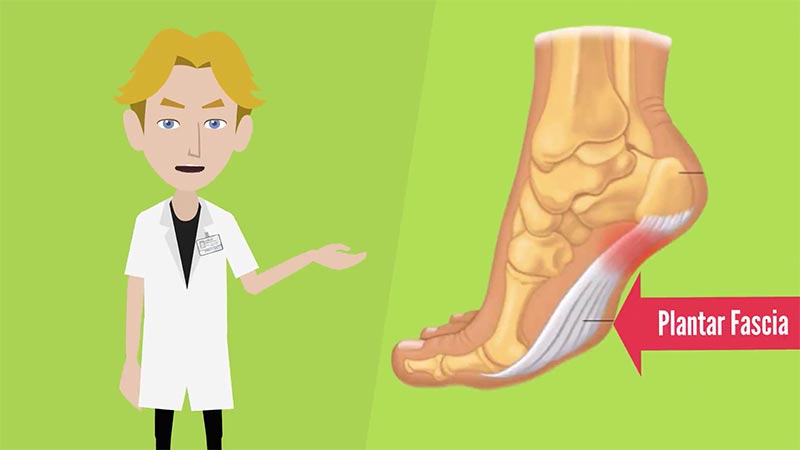 Heel Pain Treatment
Potential Complications from Ignoring Heel Pain and What to Do if You Experience Them
Ignoring heel pain can lead to potential complications that can negatively impact your overall quality of life. If left untreated, heel pain can progress into chronic pain and alter your posture and gait, causing discomfort and increasing your risk of falls. It is important to seek medical attention if you experience persistent heel pain, as it can be a sign of underlying conditions such as plantar fasciitis, heel spurs, or Achilles tendonitis. Treatment may include physical therapy, orthotics, or medication. Don’t let heel pain go ignored – take action to prevent further complications and restore your mobility.
In conclusion, heel pain is a problem that affects many people, and not every case has the same cause or treatment of heel pain. Understanding what lifestyle choices and medical procedures can help relieve heel pain is incredibly important. For severe cases of heel pain, proactively seek the help of qualified professionals to ensure a definitive diagnosis and appropriate treatments. Finally, it’s important not to delay seeing your doctor if you experience persistent pain, as complications can arise if left untreated for too long. Ultimately, becoming knowledgeable about heel pain causes and treatments will place you in the best position possible for achieving lasting recovery.
Flagstaff Foot Doctors: Anthony Rosales DPM
https://www.google.com/maps?cid=8835841318590452161
421 N Humphreys St, Flagstaff, AZ 86001, United States
(928) 774-4825
https://flagstafffootandankle.com/
