Wound Care
Foot Ulcers in Diabetics - Flagstaff Foot Doctors
Foot Ulcers in Diabetics: How to Spot and Treat Them Early
Living with diabetes means paying extra attention to your feet. While it might seem like a small detail in your overall health routine, your feet can tell you a lot about how well you’re managing your condition. Foot ulcers are one of the most serious complications that can develop, but the good news is that early detection and proper treatment can make all the difference.
At Flagstaff Foot and Ankle, Dr. Anthony Rosales has spent years helping diabetic patients understand and manage their foot health. His personal journey, overcoming back pain caused by foot issues in his teenage years, gives him a unique perspective on how foot problems can impact your entire quality of life.
Let’s walk through what every person with diabetes should know about foot ulcers in diabetics, from spotting the earliest warning signs to getting the professional care you need.
Understanding Diabetic Foot Ulcers
Diabetic foot ulcers are open wounds that develop on the feet of people with diabetes. These aren’t just minor cuts or scrapes; they’re deeper wounds that heal slowly and can become infected if not properly treated. Think of them as your body’s way of waving a red flag, signaling that your diabetes management needs attention.
High blood sugar levels can damage nerves in your feet, a condition called peripheral neuropathy. This means you might not feel pain, pressure, or temperature changes like you normally would. At the same time, diabetes can reduce blood flow to your feet, making it harder for wounds to heal. When you can’t feel a problem developing and your body struggles to repair itself, small issues can quickly become serious complications.
 Diabetic Foot Ulcer
Early Warning Signs to Watch For
The key to preventing serious complications is catching problems early. During your daily foot inspections, and yes, you should be checking your feet every single day, look for these warning signs:
- Changes in skin color or temperature.Your feet might appear red, blue, or unusually pale. They might feel warmer or cooler than usual. These changes often happen before an ulcer becomes visible.
- Unusual swelling or drainage.Any fluid coming from your foot, especially if it stains your socks or shoes, needs immediate attention. Swelling that doesn’t go away after elevating your feet is also concerning.
- Persistent pain or unusual sensations.While neuropathy can reduce feeling, some people experience increased pain, burning, or tingling before an ulcer develops.
- Calluses with dark spots.What looks like a simple callus might actually be hiding an ulcer underneath. Dark or bloody spots within a callus are red flags.
- Changes in foot shape.If one foot suddenly looks different from the other, perhaps more swollen or with an unusual bump, this could indicate a developing problem.
Why Professional Evaluation Matters
When you notice any of these warning signs, your first call should be to a podiatrist who specializes in diabetic foot care. Dr. Rosales often tells his patients, “Your feet can’t wait.” What might seem like a minor issue can progress rapidly in people with diabetes.
During your evaluation at Flagstaff Foot and Ankle, you can expect a thorough examination that goes beyond just looking at the visible problem. Dr. Rosales will check your circulation, test sensation in your feet, and assess how well your current diabetes management is working. This comprehensive approach helps identify not just the immediate problem, but also ways to prevent future complications.
Professional evaluation is especially crucial because diabetic foot ulcers often look different from regular wounds. What appears minor on the surface might extend deeper into tissue, potentially reaching bone. Only a trained podiatrist can properly assess the full extent of the problem and develop an appropriate treatment plan.
Treatment Options at Flagstaff Foot and Ankle
The treatment approach for diabetic foot ulcers depends on several factors: the size and depth of the ulcer, whether infection is present, and your overall health status. At Flagstaff Foot and Ankle, Dr. Rosales offers several evidence-based treatments:
Wound care management involves regular cleaning and dressing changes using specialized materials that promote healing. This isn’t something you should attempt on your own; proper wound care requires specific techniques and medical-grade supplies.
Offloading therapy takes pressure off the affected area to allow healing. This might involve special shoes, custom orthotics, or walking boots that redistribute weight away from the ulcer.
EPAT (Extracorporeal Pulse Activation Technology) uses pressure waves to stimulate tissue regeneration and healing. This advanced, non-surgical treatment can significantly improve healing times for stubborn ulcers.
For patients with severe circulation problems, Dr. Rosales works closely with vascular specialists to ensure adequate blood flow for healing. Sometimes, improving circulation is the key to successful ulcer treatment.
 Professional Diabetic Foot Ulcer
Daily Prevention: Your Most Important Defense
Sarah, one of Dr. Rosales’ long-time patients, used to think foot care was just about keeping her feet clean. After developing a small ulcer that took months to heal, she realized that prevention requires a more comprehensive approach.
Start each day by inspecting your feet thoroughly. Use a mirror or ask a family member to help check areas you can’t see easily. Look for any changes from the day before, new red spots, cuts, blisters, or areas of unusual warmth.
Keep your feet clean and dry, but avoid soaking them for long periods. After washing, dry carefully between your toes and apply a gentle moisturizer to prevent cracking. However, don’t put lotion between your toes, as this can encourage fungal growth.
Choose your footwear carefully. Shoes should fit properly without being too tight or too loose. At Flagstaff Foot and Ankle, Dr. Rosales can prescribe diabetic shoes and custom orthotics that provide proper support and reduce pressure points. These aren’t just regular shoes; they’re designed specifically for people with diabetes and can be covered by many insurance plans.
Check your shoes before putting them on. Small objects like pebbles or torn sock seams can cause pressure sores that you might not feel due to neuropathy.
Keep your blood sugar levels as stable as possible. Good diabetes management is the foundation of foot health. When your blood sugar is well-controlled, your body is better able to fight infection and heal wounds.
When to Seek Immediate Help
Some situations require immediate medical attention. Don’t wait for a regular foot appointment if you notice:
- An open wound on your foot, no matter how small
- Signs of infection, such as red streaking, pus, or fever
- A foot that’s suddenly much warmer or cooler than the other
- Changes in the color of your foot or toes
- New or worsening pain in your foot or leg
Dr. Rosales designed his practice to accommodate urgent diabetic foot problems. Same-day appointments are often available because he understands that foot problems in diabetic patients can’t wait.
Your Partner in Diabetic Foot Health
Managing diabetic foot health isn’t something you have to do alone. At Flagstaff Foot and Ankle, Dr. Rosales and his team provide not just treatment, but education and support to help you maintain healthy feet for life.
Dr. Rosales often reminds his patients of his own experience with foot problems as a teenager. “I understand how much foot health affects your entire life,” he says. “That’s why I’m committed to helping every patient not just heal, but learn how to prevent future problems.”
The practice offers comprehensive diabetic foot care services, from routine check-ups and preventive care to advanced treatments for complex ulcers. Custom orthotics are made on-site, and the team works with you to ensure proper fit and comfort.
Remember, your feet carry you through life; they deserve the best care possible. If you’re living with diabetes, don’t wait until a problem develops. Establishing a relationship with a podiatrist who understands diabetic foot care is one of the best investments you can make in your long-term health.
Early detection and proper treatment of diabetic foot ulcers can mean the difference between a minor inconvenience and a life-changing complication. At Flagstaff Foot and Ankle, you’ll find the expertise, advanced treatments, and compassionate care you need to keep your feet healthy and keep you moving forward.
 Diabetic Foot Ulcer Treatment
Take the First Step Toward Better Foot Health
Your feet are too important to leave to chance. Whether you’re dealing with an existing foot ulcer or want to prevent future problems, professional diabetic foot care makes all the difference.
Dr. Rosales and his team at Flagstaff Foot and Ankle are ready to partner with you in maintaining healthy feet for life. From same-day urgent care to comprehensive prevention programs, they offer the full spectrum of diabetic foot services you need.
Don’t wait until a small problem becomes a big one. Contact Flagstaff Foot and Ankle today to schedule your diabetic foot care consultation and take the first step toward lifelong foot health.
Flagstaff Foot Doctors: Anthony Rosales DPM
https://www.google.com/maps?cid=8835841318590452161
421 N Humphreys St, Flagstaff, AZ 86001, United States
(928) 774-4825
https://flagstafffootandankle.com/
Diabetic Foot Care: Why Regular Checkups Are Essential - Flagstaff Foot Doctors
Diabetic Foot Care: Why Regular Checkups Are Essential
Living with diabetes requires vigilant day-to-day management, and one of the most overlooked yet crucial aspects is foot health. Did you know that diabetes can significantly affect your feet due to subtle changes in blood circulation and nerve sensitivity? If left unchecked, these issues can escalate, posing serious health risks. This is why regular diabetic foot care is so essential—and it’s also where Flagstaff Foot Doctors excel in specialized care that focuses on prevention, early detection, and individualized treatment plans.
This blog will dive into why diabetic foot care should be a priority, the potential risks diabetes poses to foot health, and how you can protect yourself with consistent self-care and professional guidance.
Understanding the Risks: How Diabetes Affects Your Feet
Diabetes impacts multiple systems in the body, and the feet are especially vulnerable. The condition introduces a range of risks primarily due to poor circulation and nerve damage. Understanding these risks is crucial for taking control of your health.
Nerve Damage (Neuropathy)
High blood sugar levels can damage the nerves in your feet, leading to diabetic neuropathy. This condition reduces sensation, so small cuts, blisters, or other issues may go unnoticed until they worsen. Symptoms of neuropathy include tingling, numbness, and a burning sensation in the feet.
Neuropathy creates a dangerous situation where you may not feel injuries that later become infected. This lack of sensation makes it vital to conduct regular at-home foot checks and have professional evaluations.
Poor Circulation
Diabetes often causes poor circulation, which slows blood flow to your feet. When there isn’t enough blood circulating, minor injuries take longer to heal, increasing the risk of infections and prolonged open wounds.
Ulcers—open wounds that don’t properly heal—are a common issue for diabetic patients with poor circulation. They’re not only painful but also increase the likelihood of severe infections that may require advanced medical treatment, such as surgery.
Increased Risk of Infection
Diabetic patients are more vulnerable to infections due to a weakened immune system, which hampers their body’s ability to fight bacteria. Minor foot injuries like cuts, blisters, or ingrown toenails can become dangerous if untreated.
Without prompt intervention, these infections may worsen, spreading to deeper tissues or even bones. This poses serious health risks, potentially leading to complications such as ulcers, gangrene, or the need for amputation in severe cases.
By understanding these risks, you can see why diabetic foot care should be a priority.
 Diabetic Foot Care
Why Regular Checkups Are a Must for Diabetic Patients
Preventing complications starts with catching issues early. Regular checkups are essential to ensure that seemingly minor concerns don’t progress into serious health problems.
Early Detection Saves Lives
Routine foot exams can reveal issues like ulcers, infections, or skin abnormalities in their early stages. Early detection improves treatment outcomes and reduces the risk of complications.
At Flagstaff Foot Doctors, we prioritize preventative care. Our thorough evaluations allow us to identify potential problems before they become severe. For example, we can spot poor blood flow or nerve issues early, giving you actionable steps to mitigate risks.
Preventing Severe Complications
Untreated foot conditions can lead to emergencies, such as infections requiring amputation. According to the American Diabetes Association, over 80% of lower-limb amputations among diabetic patients stem from preventable foot complications.
Regular checkups ensure these emergencies are avoided. By addressing concerns early, you not only protect your feet but also improve your overall quality of life.
Customized Care for Diabetic Patients
Foot care isn’t one-size-fits-all. At Flagstaff Foot Doctors, we tailor care to each patient’s unique needs through advanced treatments and personalized solutions to ensure effective results.
Whether it’s diagnostic tools, specialized treatments, or customized footwear recommendations, our diabetic foot care plans aim to maintain your mobility and health. Trust us to keep your feet in excellent condition.
What to Expect During a Diabetic Foot Checkup at Flagstaff Foot Doctors
Many patients aren’t sure what happens during a diabetic foot checkup. Our process is thorough and focused on your comfort and well-being.
Comprehensive Foot Examination
We perform a detailed examination of your feet, checking for:
- Skin changes, including dryness, discoloration, cracking, or wounds that may indicate underlying conditions or poor circulation.
- Abnormalities in foot structure, such as bunions, hammertoes, flat feet, or high arches, which can affect balance, mobility, and comfort.
- Signs of infection or inflammation, including redness, swelling, pain, or unusual odors, to ensure prompt treatment and prevent complications.
Advanced Diagnostic Tools
Using the latest medical technology, we assess your blood flow and nerve function. These advanced tools offer a detailed analysis, helping us detect circulatory issues or nerve damage that might not be apparent during a visual or manual examination. This proactive approach ensures we address potential concerns before they become serious.
Personalized Care Plan
After evaluating your feet, we create a tailored care plan. This may include:
- Recommendations for daily care routines
- Lifestyle adjustments to improve circulation
- Custom orthotics or footwear to prevent injuries
We ensure our care is proactive, reducing your risk of serious complications.
Daily Foot Care Tips for Diabetic Patients
While professional diabetic foot care is essential, maintaining proper daily habits is equally important. Here are easy yet effective ways to care for your feet at home.
Inspect Your Feet Daily
Take a few minutes each day to look for any changes, such as:
- Cuts or blisters
- Swelling or redness
- Dry or cracked skin
Don’t forget to use a mirror or ask for help for hard-to-see areas.
Clean and Moisturize Properly
Wash your feet daily with warm water and mild soap. Be thorough but gentle—avoid scrubbing too hard, which can lead to skin irritation. After cleaning, dry your feet carefully, especially between the toes, to prevent fungal infections. Apply a diabetic-friendly moisturizer to keep the skin supple, but avoid moisturizing between the toes as this can create a breeding ground for bacteria.
Wear the Right Footwear
Comfortable, well-fitted shoes are essential for minimizing the risk of injuries. Look for diabetic shoes that have:
- Adequate cushioning
- A broad and stable base
- No interior seams to prevent rubbing
When needed, consult with podiatric specialists like Flagstaff Foot Doctors for custom footwear solutions tailored to your unique foot shape, ensuring optimal comfort, support, and protection for diabetic foot care needs.
 Diabetic Foot Treatment
The Role of Proper Footwear in Diabetic Foot Health
Shoes play a pivotal role in diabetic foot health. Poorly fitted footwear is one of the leading causes of foot injuries in diabetic patients.
Why Shoe Fit Matters
Tight shoes can cause blisters by creating excessive pressure and friction, while loose shoes may lead to instability and increase the risk of falls. Both issues heighten the chance of foot complications for diabetic patients.
Properly fitted footwear ensures adequate support, minimizes friction, and promotes balance. By reducing pressure points and avoiding rubbing, the right shoes help to prevent injuries and maintain overall foot health, supporting diabetic care effectively.
Custom Footwear Solutions
At Flagstaff Foot Doctors, we specialize in providing custom orthotics and diabetic footwear designed to meet your unique needs. Our personalized solutions ensure optimal comfort, protection, and support for your feet during everyday activities.
Using advanced technology and a patient-centered approach, we craft footwear that reduces pressure points and enhances stability. By prioritizing foot health, our custom solutions help you maintain mobility and prevent complications associated with diabetes.
Warning Signs You Should Never Ignore
Certain symptoms indicate that your feet need immediate medical attention. If you notice any of the following, don’t wait—schedule an appointment with Flagstaff Foot Doctors right away:
- Persistent pain or swelling:Ongoing discomfort or swelling may point to serious conditions like fractures, sprains, or inflammatory issues that require professional care.
- Wounds or sores that don’t heal:Non-healing wounds could be a sign of diabetes-related complications or poor circulation, both of which need timely medical intervention.
- Skin discoloration, redness, or warmth:These symptoms can indicate infections, blood flow problems, or even gout, which should be addressed as soon as possible.
- Ingrown toenails or infections:Left untreated, these can lead to painful infections or conditions that may worsen over time.
Paying prompt attention to these warning signs can help prevent complications and ensure your feet stay healthy and pain-free. Don’t delay—your foot health is essential for your overall well-being!!
Preventing Infections Through Hygiene and Care
One of the most effective ways to avoid complications is by preventing infections. Here are some best practices:
Keep Feet Clean and Dry
Moisture creates a thriving environment for bacteria and fungi, leading to infections like athlete’s foot. After washing, thoroughly dry your feet, especially between the toes. Damp conditions can cause irritation or sores, making you more vulnerable to infection. Use clean towels and consider antifungal powder for added protection.
Toenail Care
Proper toenail care is essential to prevent painful issues like ingrown toenails. Always cut your nails straight across, avoiding sharp or curved edges. This reduces the risk of nails growing into the surrounding skin. Regular trimming not only keeps your nails neat but also minimizes opportunities for infections to develop.
Avoid Going Barefoot
Walking barefoot, even indoors, exposes your feet to injuries, bacteria, and fungal infections. Always opt for protective footwear to provide an extra layer of defense. Wearing shoes or slippers shields your skin from harmful microbes, sharp objects, or accidental trauma, maintaining your feet’s health in various environments.
Proper hygiene practices greatly minimize your chances of encountering serious, life-altering infections and complications.
 Diabetic Foot Treatment Expert
How Flagstaff Foot Doctors Help Prevent Complications
At Flagstaff Foot Doctors, we specialize in preventative care designed to maintain optimal foot health. From thorough routine checkups to tailored treatment plans, our dedicated team ensures your feet receive the care they deserve. Prevention is key, and we empower patients to take proactive steps in their foot health journeys.
Many of our patients have avoided severe complications by trusting us for care. By addressing issues early and educating our patients, we help minimize the risk of infections, injuries, and chronic conditions. Each success story demonstrates how prevention can make a lasting impact on overall well-being.
The inspiring experiences of our patients fuel our unwavering commitment to exceptional care. At every step, we aim to provide a supportive environment, offering advanced expertise and compassionate guidance to help you maintain healthy, happy feet for years to come.
The Connection Between Overall Health and Foot Health
Healthy feet are a reflection of your overall health. When managing diabetes, keeping blood sugar levels within a healthy range is critical for protecting your feet. High blood sugar can lead to complications such as neuropathy, which diminishes sensation in your feet, and poor circulation, increasing the risk of infections or slow-healing wounds.
By prioritizing a balanced diet rich in nutrients, individuals with diabetes can maintain proper blood sugar control and reduce stress on their feet. Exercise is equally important, as regular physical activity enhances circulation and helps prevent foot-related complications. A proactive approach to these elements safeguards both your feet and your general well-being.
Routine diabetic medical foot care plays a vital role in keeping your feet healthy. Regular visits to a foot specialist can address issues early and provide expert guidance tailored to your needs. By adopting a holistic health management plan, you not only protect your feet but also improve your overall quality of life.
Conclusion
Diabetic foot care starts with awareness and dedication to preventive practices. By scheduling regular checkups and following daily foot care routines, you can protect yourself from avoidable complications while maintaining mobility and independence. Flagstaff Foot Doctors are here to guide you on this path, offering the expertise and personalized care you deserve.
Don’t wait—schedule your diabetic foot checkup with Flagstaff Foot Doctors today and take a proactive step toward your overall health. With proper care and attention, you can continue to live a fulfilling and active life with diabetes. Remember, your feet are the foundation of your mobility—take care of them and they will take care of you.
Flagstaff Foot Doctors: Anthony Rosales DPM
https://www.google.com/maps?cid=8835841318590452161
421 N Humphreys St, Flagstaff, AZ 86001, United States
(928) 774-4825
https://flagstafffootandankle.com/
The Link Between Diabetes and Foot Health—How a Podiatrist Can Help - Flagstaff Foot Doctors
The Link Between Diabetes and Foot Health—How a Podiatrist Can Help
Living with diabetes involves managing more than just blood sugar levels. This condition affects so many aspects of health, and one area that often goes unnoticed is foot health. For individuals with diabetes, foot care is not just important; it’s essential. Neglecting foot health can lead to severe complications, including infections and even amputation in extreme cases. However, with the right care and proactive steps, these risks can be managed effectively, and quality of life can be significantly improved.
At Flagstaff Foot Doctors, we understand the unique challenges that diabetics face when it comes to foot health. Our team specializes in diabetic foot care, offering comprehensive services to help patients stay healthy and active. Read on to explore the vital connection between diabetes and foot health, common complications, warning signs, and how we can support you in maintaining happy, healthy feet.
Why Foot Health is Critical for People with Diabetes
Diabetes can impact nearly every part of the body, but its effect on the feet tends to be overlooked until there’s a problem. This is especially dangerous because diabetes compromises circulation and nerve function, both of which are essential to keeping the feet healthy.
How Diabetes Affects Circulation and Nerve Function
High blood sugar levels can damage the blood vessels and nerves over time. Poor circulation slows down the flow of blood to the feet, making it harder for wounds to heal or infections to clear up. Similarly, nerve damage, also known as diabetic neuropathy, reduces sensation in the feet. Without the ability to feel pain or pressure, even minor injuries can go unnoticed and worsen over time.
Common Complications Linked to Diabetes
- Neuropathy: This can cause numbness, tingling, or pain that makes it difficult to recognize injuries.
- Foot Ulcers: Open sores that don’t heal properly can lead to infections and further complications.
- Infections: Poor circulation increases the risk of infections becoming severe and harder to treat.
- Amputation: Untreated infections or severe ulcers may leave no option but amputation, underscoring the need for early intervention.
The connection between diabetes and foot health isn’t just theoretical. Each year, thousands of diabetics contend with serious foot problems, which is why prioritizing foot care early is crucial.
 Diabetic Foot Treatment
Common Foot Problems Associated with Diabetes
Understanding the specific complications that diabetic patients face is the first step toward prevention and effective care. Below are some of the most common foot-related issues linked to diabetes:
Diabetic Neuropathy
Neuropathy affects up to 50% of people with diabetes. This nerve damage typically affects the extremities, especially the feet, and can lead to symptoms like numbness, tingling, or burning sensations. It can also impair your ability to detect minor injuries, which may become infected without timely treatment.
Poor Circulation
Reduced blood flow to the legs and feet is another diabetes-related issue. Without sufficient circulation, injuries or sores take longer to heal, increasing the risk of infections spreading. Your feet may also feel unusually cold as a result of poor blood flow, signaling potential vascular complications.
Foot Ulcers
Foot ulcers can develop from something as simple as a blister from a tight shoe or a small cut. For diabetics, these sores often don’t heal properly and can become infected. Left untreated, ulcers can lead to severe complications, including tissue death and, in extreme cases, amputation.
Foot Infections
Even a minor skin infection can escalate quickly if you have diabetes. Reduced circulation and a weakened immune response make it much harder for your body to fight infections. Without timely care, these issues can worsen, jeopardizing not only your feet but your overall health and wellness.
Amputation Risks
While this is a worst-case scenario, amputation may become necessary when infections or gangrene progress too far. The risk underscores the importance of vigilant foot care, early treatment, and close monitoring of any injuries or sores. Proactive measures play a vital role in preventing such severe outcomes.
Warning Signs to Watch For
If you have diabetes, paying attention to changes in your feet is non-negotiable. Early detection of potential problems could save you from severe complications. Here are some red flags to watch out for:
- Numbness or Tingling: Reduced or abnormal sensation in your feet may be an early sign of neuropathy. It is important to report such symptoms to a healthcare professional.
- Changes in Skin Color or Temperature: Noticing discoloration or unusual warmth or coolness in your feet might indicate poor circulation or another underlying condition that requires medical evaluation.
- Swelling: Persistent swelling in your feet or ankles could signal inflammation or an infection. Addressing such signs early can prevent potential complications or further damage.
- Open Wounds or Blisters: Any sores, blisters, or wounds that do not heal quickly should raise concern. Early intervention is key to preventing infections or severe medical issues.
- Signs of Infection: Signs like redness, warmth, swelling, or discharge are indicators of infection. Prompt treatment is essential to avoid escalation and protect overall foot health.
- Pain or Discomfort: Unexpected or unexplained pain, especially in areas previously numb due to neuropathy, should not be ignored. Seek professional advice as soon as possible.
If you notice any of these symptoms, consult with a podiatrist immediately for a thorough evaluation and treatment plan.
 Diabetic Foot Treatment Expert
The Role of a Podiatrist in Diabetic Foot Care
A podiatrist is a doctor who specializes in feet treatment, and their expertise can make an incredible difference for people with diabetes. At Flagstaff Foot Doctors, we focus on detecting, treating, and preventing diabetic foot problems to keep your feet in the best shape possible.
What Can a Podiatrist Do?
Podiatrists are trained to address the unique challenges posed by diabetic foot issues. Some of the services you can expect include:
- Comprehensive foot exams to identify problems early.
- Wound care for ulcers or infections.
- Specialized orthotics and footwear recommendations for better support and injury prevention.
- Guidance on blood flow improvement and nerve health preservation.
Why Regular Check-Ups Matter
Routine visits to a podiatrist allow for the early detection of potential problems and the prevention of complications. Addressing issues promptly plays a crucial role in maintaining overall foot health.
Many conditions, such as infections or ulcers, can escalate rapidly without proper attention. Regular check-ups provide ongoing care and ensure that small concerns are managed proactively before they develop into serious complications.
Services Offered by Flagstaff Foot Doctors
At Flagstaff Foot Doctors, we provide a range of personalized services for diabetic patients. Our approach focuses on both prevention and treatment, ensuring that your foot health is managed effectively and empathetically.
- Advanced Diagnostics: Utilizing top-tier tools to identify circulation or nerve issues.
- Custom Orthotics: Shoes and inserts designed specifically for diabetic foot care.
- Wound Care: Treatment plans for ulcers, infections, and injuries to promote optimal healing.
- Preventative Measures: Education and solutions to reduce the risk of future problems.
Preventative Foot Care Tips for Diabetics
While professional care is critical, there’s much that you can do daily to keep your feet healthy. These simple, practical steps can go a long way toward preventing complications:
Daily Foot Inspections
Check your feet every day for cuts, sores, blisters, or any changes in skin color. Use a mirror or ask for assistance if needed. Catching problems early is crucial to preventing them from worsening and leading to severe complications.
Practice Good Hygiene
Wash your feet daily with warm water and mild soap, then dry them thoroughly. Pay close attention to the spaces between your toes to prevent fungal infections. Clean, dry skin reduces the risk of developing sores or irritations.
Wear Proper Footwear
Invest in shoes that fit well and provide diabetic support. Avoid tight or poorly constructed footwear that can cause blisters, calluses, or pressure points. Pair your shoes with breathable socks, and consider using orthotics for added comfort and alignment.
Keep Blood Sugar Levels Stable
Managing your blood sugar effectively protects your feet from complications like nerve damage and circulation issues. Uncontrolled diabetes delays healing and increases risks, making steady blood sugar levels essential for long-term health and foot safety.
Trim Nails Safely
Cut your toenails straight across to avoid ingrown toenails, a common source of infection. If trimming nails is difficult or risky for you, consider visiting a podiatrist to ensure proper and safe nail care practices.
Taking these steps won’t just protect your feet but also improve your overall health and mobility.
 Preventive Diabetic Foot Care
How Flagstaff Foot Doctors Can Help
At Flagstaff Foot Doctors, we’re more than just podiatrists—we’re your partners in diabetic foot health. Our specialized approach and compassionate care ensure that you receive the treatment and guidance you deserve.
Services Tailored for Diabetic Patients
From specialized diagnostics to proactive treatments, our services are designed with diabetic patients in mind. We use cutting-edge tools and techniques to address the unique challenges posed by diabetes. Our priority is to help you maintain optimal foot health and prevent complications, ensuring greater comfort and improved quality of life.
Personalized Care Plans
No two patients have the same needs, which is why we develop customized care plans for each individual. These plans include advanced treatments, lifestyle recommendations, and routine checkups to monitor progress. By tailoring our approach to your specific condition, we aim to provide comprehensive support for long-term diabetic foot care.
Expert Team
Our experienced podiatrists are skilled in managing all aspects of diabetic foot care, from neuropathy prevention to wound care. With a deep understanding of the complexities of diabetes-related foot issues, our team delivers exceptional care to address every concern. You can trust us to provide expertise and compassion at every step.
The Importance of Early Intervention
Waiting to address foot issues can result in severe complications over time. Problems such as infections, ulcers, and impaired mobility often begin as minor concerns but can escalate without timely care. Early intervention ensures these issues are managed effectively, preventing them from worsening and safeguarding your foot health.
By addressing foot concerns promptly, you improve your overall well-being and reduce the risk of severe outcomes, including amputation. Regular check-ups at Flagstaff Foot Doctors give our team the opportunity to detect any abnormalities early on and develop personalized treatment plans tailored to your needs, ensuring optimal care and prevention.
Proactive foot care enhances your quality of life by minimizing limitations caused by pain or discomfort. With early intervention, you can maintain an active lifestyle and prevent chronic issues. Trust Flagstaff Foot Doctors to prioritize your health, offering expert support to keep your feet healthy and functional every step of the way.
 Professional Diabetic Foot Care
The Role of Diet and Exercise in Diabetic Foot Care
Your lifestyle choices play a significant role in managing diabetes and supporting foot health.
How Diet Impacts Foot Health
A balanced diet helps control blood sugar, reducing the risk of complications. Focus on high-fiber foods, lean proteins, and non-starchy vegetables. Avoid processed sugars and saturated fats that can cause blood sugar spikes and inflammation.
Exercise for Better Circulation
Physical activity supports cardiovascular health and improves circulation, making it easier for wounds to heal. Low-impact exercises like walking, swimming, or yoga are perfect choices for diabetics. Always consult with a healthcare provider before starting a new exercise routine.
By adopting a healthy diet and staying active, you create a ripple effect, improving not only your feet but also your overall well-being.
Take the First Step Towards Healthy Feet
Your feet carry you through life – it’s time to take care of them. The link between diabetes and foot health is clear and critical, but the good news is that with the right care and attention, diabetic complications can be minimized or avoided entirely.
At Flagstaff Foot Doctors, we’re passionate about helping our patients stay ahead of problems and lead active, healthy lives. Be proactive about your foot health today. Schedule an appointment with our expert team and take the first step toward ensuring comfort, mobility, and peace of mind for years to come. Your feet deserve the best care, and we’re here to provide it.
Flagstaff Foot Doctors: Anthony Rosales DPM
https://www.google.com/maps?cid=8835841318590452161
421 N Humphreys St, Flagstaff, AZ 86001, United States
(928) 774-4825
https://flagstafffootandankle.com/
The Role of Diabetic Foot Care in Preventing Complications Like Ulcers - Flagstaff Foot Doctors
The Role of Diabetic Foot Care in Preventing Complications Like Ulcers
Caring for your feet may not be the first priority on your health checklist, but if you have diabetes, it absolutely should be. When ignored, diabetes can lead to serious complications, including ulcers, infections, and even amputations. Fortunately, taking proactive steps toward diabetic foot care can significantly reduce these risks and improve overall quality of life.
This guide explores the importance of diabetic foot care, common risk factors, and practical care tips to keep your feet in the best possible condition. It also highlights the critical role professionals like those at Flagstaff Foot Doctors play in monitoring and treating diabetic foot issues.
Importance of Foot Health for Diabetics
Diabetes affects so many aspects of health, and the feet are particularly vulnerable. Diabetes-related complications like neuropathy and reduced circulation can turn minor issues, such as a small cut or blister, into major health concerns. Without proper care and attention, these problems can escalate into infections, ulcers, or worse. For instance, nearly 15% of people with diabetes will develop a foot ulcer during their lifetime, and those ulcers account for the majority of diabetes-related amputations.
The good news? These complications are preventable. With the right approach to foot care, you can safeguard your health, avoid unnecessary pain, and maintain your independence.
Diabetic Foot Care
Understanding Diabetes and Its Impact on Foot Health
The Connection Between Diabetes and Foot Problems
People with diabetes are at an increased risk of developing foot issues because of two primary factors: nerve damage and poor circulation. Diabetes can damage the peripheral nerves, particularly in the legs and feet, leading to a condition called diabetic neuropathy. This results in decreased sensation, making it harder to notice injuries like cuts, scrapes, or blisters. Without the typical pain signals, small problems can quickly worsen.
At the same time, diabetes affects blood flow by narrowing blood vessels, which reduces circulation to the limbs. Poor blood flow slows down healing, making it harder for the body to recover from injuries. Together, these issues create a perfect storm for serious foot complications.
Statistics on Diabetic Foot Complications
The numbers highlight just how significant diabetic foot complications can be:
- Approximately 15% of people with diabetes will experience a foot ulcer at some point.
- Diabetic foot ulcers precede 85% of diabetes-related lower-limb amputations.
- Individuals with a history of diabetic foot ulcers have a recurrence rate as high as 40% within one year.
Understanding these risks underlines the importance of proactive, consistent foot care.
Common Risk Factors for Diabetic Foot Complications
To effectively prevent complications, it’s essential to understand the factors that elevate your risk.
Neuropathy
Diabetic neuropathy dulls sensation in your feet, making it harder to detect injuries. For example, you might not feel a pebble in your shoe or notice a blister forming. This lack of awareness allows minor issues to escalate into major concerns, increasing the risk of serious complications like infections or ulcers.
Poor Circulation
Diabetes often leads to peripheral arterial disease (PAD), which restricts blood flow to the extremities. Poor circulation not only delays wound healing but also weakens your body’s ability to fight infections. This combination of factors significantly heightens the likelihood of developing severe foot complications if injuries are left untreated.
Foot Deformities
Conditions like bunions, hammertoes, or high arches create pressure points on your feet, increasing the risk of ulcer development. Poorly fitting shoes often exacerbate these deformities, leading to increased discomfort and further complications. Proper footwear and regular foot examinations are vital in managing these risks and preventing long-term damage.
Previous Foot Ulcers
A history of foot ulcers is one of the strongest indicators of future problems. Scarred or damaged tissue from previous ulcers is more susceptible to recurring issues. This highlights the need for ongoing vigilance, regular check-ups, and consistent care to prevent further complications and maintain foot health over time.
The Importance of Regular Foot Exams
When it comes to diabetic foot care, catching problems early is critical. Regular foot exams can help you identify and address foot issues before they become severe.
Self-Exams
Performing daily self-checks can go a long way in preventing complications. Here’s a step-by-step guide:
- Inspect Your Feet Daily:Check your feet every day for cuts, blisters, redness, swelling, or changes in skin color. Early detection helps prevent minor issues from becoming serious problems.
- Examine Toenails:Look closely at your toenails for signs of infection, such as discoloration or thickening. Pay attention to ingrown toenails as they can lead to complications.
- Don’t Forget the Soles and Between Toes:Use a mirror to inspect the soles of your feet and the spaces between your toes. Ask for help if these areas are hard to see.
Professional Assessments
While self-exams are a great starting point, regular professional foot care is essential. Podiatrists, like those at Flagstaff Foot Doctors, specialize in diabetic foot health and can identify issues that may be overlooked during self-checks.
An exam with a professional can diagnose minor foot deformities or detect early signs of nerve dysfunction. Routine check-ups support preventive care and enable tailored treatment plans that address your specific needs, ensuring long-term foot health.
Professional Diabetic Foot Care
Daily Foot Care Practices for Diabetics
Maintaining healthy feet starts with daily routine care. Here’s how to build a strong foot care regimen:
Proper Hygiene
Daily hygiene helps ward off infections. Wash your feet with mild soap and warm water, avoiding hot water that could irritate the skin. After bathing, thoroughly dry your feet, especially between your toes, to prevent fungal growth. Follow up with a moisturizer to keep your skin hydrated, but don’t apply it between your toes, as excess moisture in that area can lead to infections.
Nail Care
Trimming your toenails regularly is vital, but it’s important to do it safely. Cut nails straight across to prevent ingrown toenails, and avoid trimming too close to the skin. For those with limited mobility or vision, a podiatrist can help with regular nail care.
Choosing the Right Footwear
Ill-fitting shoes are a common culprit behind diabetic ulcers. Opt for shoes that offer a roomy toe box, good arch support, and cushioning. Avoid high heels or pointed toes and check your shoes for debris before putting them on. Custom orthotics can provide additional support if you have foot deformities.
Signs and Symptoms to Watch For
Recognizing Early Warning Signs
It’s crucial to recognize and act on early symptoms of foot problems. Look out for:
- Redness or swelling
- Unexplained pain or tenderness
- Calluses or corns
- Drainage on socks from undetected wounds
Addressing these issues early can save you from more severe complications.
When to Seek Professional Help
If you notice any of the following, it’s time to contact a foot care specialist:
- Persistent wounds or sores that don’t heal
- Signs of infection, such as redness, warmth, or foul odor
- Sudden changes in skin color or temperature
Role of Flagstaff Foot Doctors in Diabetic Foot Care
Flagstaff Foot Doctors is committed to providing specialized care for diabetic patients. Here’s what sets them apart:
Comprehensive Assessments
Their team conducts detailed evaluations to identify issues such as neuropathy, poor circulation, and early signs of ulcers. By addressing these problems early, they help prevent complications and ensure patients maintain optimal foot health.
Through these assessments, Flagstaff Foot Doctors develop customized care plans tailored to each individual’s specific needs. This personalized approach enhances prevention strategies and offers effective treatment options, prioritizing the well-being and long-term comfort of their patients.
Patient Education
Beyond assessments, Flagstaff Foot Doctors are dedicated to teaching patients effective self-care strategies. Their guidance includes choosing proper footwear and maintaining optimal foot hygiene to prevent common issues.
This educational approach empowers patients to actively manage their foot health. By instilling knowledge and promoting consistent care, they help individuals make informed decisions, fostering long-term comfort and well-being.
Preventive Diabetic Foot Care
Advanced Treatments for Complications
Sometimes, even the best prevention practices aren’t enough to avoid complications. Advanced diabetic foot treatment options are available to address these issues effectively.
Wound Care Management
Flagstaff Foot Doctors offers cutting-edge wound care techniques for diabetic foot ulcers. Utilizing advanced dressings, debridement, and effective infection management, these methods are designed to promote faster healing. Comprehensive wound care reduces the risk of further damage, providing patients with tailored treatments that address the unique needs of each case.
Surgical Interventions
For severe cases, surgical solutions are sometimes necessary to ensure proper care. These may include corrective procedures to fix deformities or the removal of infected tissue. With expert precision, these interventions aim to restore mobility, enhance functionality, and prevent long-term complications, ultimately improving patients’ overall quality of life.
The Importance of Nutrition and Blood Sugar Control
Taking care of your feet isn’t just about external care. Your diet and blood sugar levels play a crucial role as well.
Dietary Recommendations
A balanced diet is essential for maintaining optimal foot health. Incorporate nutrient-dense foods such as vegetables, lean proteins, and whole grains to provide the vital nutrients your body needs for healing and strength.
Omega-3 fatty acids, commonly found in fish, play a significant role in enhancing circulation and combating inflammation. These healthy fats promote overall wellness and may help prevent foot-related complications over time.
Blood Sugar Monitoring
Poorly managed blood sugar not only worsens neuropathy but also increases the risk of infections and delays healing. Maintaining stable glucose levels is crucial for promoting proper foot care and recovery.
Regular glucose monitoring and adherence to prescribed treatment plans are essential measures. These practices not only prevent complications but also play a critical role in supporting overall foot health and long-term wellness.
Lifestyle Changes to Support Foot Health
Exercise and Mobility
Regular physical activity improves circulation and overall health. Simple exercises such as walking, swimming, or yoga can enhance blood flow, promote mobility, and reduce stiffness in the legs and feet.
Engaging in these activities consistently not only strengthens muscles but also supports proper foot care by preventing complications. Incorporating exercise into daily routines is a vital step toward maintaining long-term wellness and independence.
Smoking Cessation
Smoking directly impacts your blood vessels, worsening circulation over time. This reduced blood flow can significantly increase the risk of foot complications, including delayed healing and severe infections.
Quitting smoking is one of the most impactful steps you can take to protect your overall health. Seeking professional support or joining smoking cessation programs can provide essential guidance and motivation.
Psychological Impact of Diabetic Foot Complications
Mental Health Considerations
The potential for severe complications can take a mental and emotional toll. It’s natural to feel anxious or fearful, but ignoring these feelings can lead to chronic stress or depression. Managing diabetic foot complications should prioritize mental health alongside physical well-being. Addressing these concerns early promotes resilience and fosters a more positive outlook on recovery.
Support Systems
Building a strong support system is invaluable in navigating diabetic foot challenges. Surround yourself with healthcare professionals, family, and support groups who understand your struggles and can provide encouragement. At Flagstaff Foot Doctors, compassionate care is offered to ease both physical and emotional concerns, ensuring you feel supported every step of the way.
Conclusion
Effective foot care is a vital yet manageable part of living with diabetes. By addressing risk factors, adopting daily care practices, and seeking regular professional assessments, you can significantly reduce your risk of complications like ulcers, infections, or amputations.
The specialists at Flagstaff Foot Doctors are here to support you every step of the way. From early detection to advanced treatments and patient education, their mission is to help you maintain healthy feet and, ultimately, a better quality of life.
Take charge of your foot health today. Schedule a check-up, practice daily self-care, and follow through with healthy lifestyle choices. Preventive care is not just about avoiding complications—it’s about empowering yourself to live a healthier, more confident life.
Flagstaff Foot Doctors: Anthony Rosales DPM
https://www.google.com/maps?cid=8835841318590452161
421 N Humphreys St, Flagstaff, AZ 86001, United States
(928) 774-4825
https://flagstafffootandankle.com/
The Importance of Diabetic Foot Care for Long-Term Health - Flagstaff Foot Doctors
The Importance of Diabetic Foot Care for Long-Term Health
Did you know that proper diabetic foot care can play a crucial role in maintaining your overall health and well-being? Diabetes can significantly affect your feet, making proactive care essential for avoiding complications. This is where expert care from professionals like the team at Flagstaff Foot Doctors can make all the difference.
Diabetic foot care is more than just a routine—it’s a key part of managing diabetes. This blog will guide you through why diabetic foot health matters, the dangers of neglecting it, and how regular care can ensure long-term health. Plus, we’ll highlight how Flagstaff Foot Doctors stand out as leaders in providing quality diabetic foot care.
Understanding How Diabetes Affects Your Feet
Diabetes impacts multiple organs in the body, including the circulatory and nervous systems, making your feet more prone to complications.
- Nerve Damage (Neuropathy): High blood sugar levels can damage nerves, especially in the feet. This condition, called diabetic neuropathy, may cause numbness, tingling, or reduced sensation. Without normal feeling, injuries like cuts or blisters often go unnoticed. This increases the risk of infections, ulcers, and other complications that can severely impact overall foot health.
- Poor Circulation: Diabetes can cause blood vessels to narrow, reducing the flow of oxygen and nutrients to your feet. Poor circulation slows the healing process, leaving injuries vulnerable to complications. This restricted blood flow places individuals with diabetes at greater risk for chronic wounds, infections, and other serious conditions affecting their lower extremities.
- Slow Healing: Minor injuries such as blisters, scrapes, or small cuts may heal very slowly in diabetics due to poor circulation and chronic inflammation. The delayed healing increases the chance of infections, which can spread if not addressed promptly. Proper foot care and regular monitoring are essential to prevent worsening conditions and ensure overall foot health.
Common foot problems associated with diabetes include calluses, corns, cracked heels, and in severe cases, ulcers or gangrene. Being proactive about foot care can minimize these risks and allow for early intervention when needed.
Diabetic Foot Care
The Risks of Neglecting Diabetic Foot Care
Neglecting diabetic foot care can result in a chain reaction of complications that affect mobility, quality of life, and even long-term survival. Here are some of the most critical risks:
- Ulcers and Open Wounds: When left untreated, even minor cuts can develop into ulcers or open sores. These wounds are particularly concerning for individuals with diabetes, as limited circulation and slow healing make them prone to worsening. Without proper medical attention, ulcers can become severely infected, increasing the risk of long-term damage and complications.
- Infections: Poor healing combined with reduced foot sensation creates an ideal environment for infections to develop. Small injuries or unnoticed sores can quickly escalate into serious conditions if left untreated. If infections penetrate deeper tissues or bones, they may require intensive treatments, including surgery, to prevent further harm and preserve foot function.
- Amputations: One of the most alarming risks of neglecting diabetic foot care is the potential for amputation. Chronic ulcers or severe infections that damage soft tissue and bone may leave no other option. Regular check-ups and prompt attention to cuts or sores are critical steps in reducing the likelihood of amputation and its life-altering impact.
Minor neglect, such as skipping daily foot inspections or wearing improper footwear, can escalate into serious health issues over time. Prioritizing foot care can significantly reduce these long-term risks.
Signs That Your Feet Need Attention
Early detection is one of the most effective ways to prevent diabetic foot complications. Monitoring your feet daily and knowing the warning signs can make all the difference. Here are some symptoms to watch for:
- Numbness or tingling: This can be an early indication of nerve damage caused by diabetic neuropathy. Left unaddressed, it may worsen over time, leading to further complications and an increased risk of serious foot injuries.
- Redness or swelling: These symptoms often point to inflammation, infection, or an underlying injury. Addressing redness or swelling promptly can prevent further deterioration and ensure minor issues don’t evolve into severe complications.
- Cuts, wounds, or blisters: Even minor imperfections on the skin can pose significant risks when left untreated. Diabetics should carefully monitor all injuries, as they can quickly escalate to infections or contribute to ulcer formation.
- Persistent pain: Diabetic neuropathy may mask foot pain, but any unfamiliar or increasing discomfort should never be ignored. It could indicate underlying problems that require timely evaluation by a healthcare professional.
- Discoloration: Skin color changes, such as redness or darkening, can signal inadequate blood flow or pressure. These warning signs often indicate circulation issues, potentially leading to severe conditions if not promptly addressed.
- Foul odor or discharge: Such indicators typically point to infections that require urgent medical attention. Overlooking these signs may result in further complications, including tissue damage or prolonged healing cycles.
If you’re experiencing any of the symptoms above, seeking professional foot care without delay is essential to protect your health.
The Benefits of Regular Diabetic Foot Checks
Regular foot assessments by a podiatrist play an essential role in long-term foot health. Here’s why they matter:
- Early Detection: Podiatrists can identify potential foot issues early, such as corns, calluses, or subtle skin changes that may indicate underlying problems. By addressing these concerns promptly, patients can prevent infections, ulcers, and other complications that may severely impact their foot health and overall well-being.
- Preventive Care: Routine podiatric checkups are essential for maintaining healthy feet. These visits often include toenail trimming, callus removal, and assessments of skin moisture and circulation. These preventive steps, though seemingly minor, play a vital role in reducing the risk of severe complications, such as infections.
- Long-Term Health: Consistent foot exams promote long-term mobility and help diabetics avoid life-altering outcomes like infections or amputations. By focusing on proactive care, patients can preserve their independence and reduce the risks associated with diabetes, dramatically improving their physical health and confidence.
- Quality of Life: Healthy feet are fundamental to staying active, aiding in effective diabetes management. Regular exercise improves blood sugar regulation and supports cardiovascular health, significantly contributing to a better quality of life. Maintaining foot health enables patients to participate fully in daily activities and pursue their goals.
By making foot health a priority, you lay the groundwork for a more active, mobile, and fulfilling life.
Diabetic Foot Care Service
Best Practices for Diabetic Foot Care at Home
It’s not just about professional care—your daily habits can go a long way in maintaining your foot health. Here are some practical tips:
- Daily Inspections:Check your feet for cuts, blisters, swelling, and redness every day. Use a mirror to see the soles of your feet or ask for help if needed.
- Proper Foot Hygiene:Wash your feet with warm water (not hot) and mild soap daily. Afterward, make sure to dry them thoroughly, especially between the toes.
- Moisturize Carefully:Apply lotion to prevent dryness, but avoid areas between the toes to reduce the risk of fungal infections.
- Wear Proper Shoes:Opt for cushioned, supportive footwear with plenty of room for your toes. Diabetic shoes are specially designed to minimize pressure and prevent injuries.
- Trim Your Nails Carefully:Cut toenails straight across and avoid cutting them too short to prevent ingrown nails.
- Control Blood Sugar Levels:Effective diabetes management plays a crucial role in reducing circulation and nerve-related complications.
- Avoid Walking Barefoot:Even at home, use slippers or shoes to avoid cuts, punctures, or stepping on sharp objects.
Self-care is the first step to preserving foot health, but remember it complements—rather than replaces—professional treatments.
When to Seek Help from a Specialist
Some issues require immediate professional intervention to prevent further complications. You should contact a podiatrist if you notice:
- An infection:Look for symptoms such as redness, swelling, discharge, or fever. These could indicate a serious problem that needs attention to prevent the infection from spreading.
- Persistent pain or discomfort:Ongoing pain in your feet, whether it’s due to injury, underlying conditions, or ill-fitting shoes, shouldn’t be ignored. Chronic discomfort can signal deeper issues that may worsen over time.
- Wounds or ulcers that heal slowly:Cuts, sores, or ulcers that don’t improve or heal at all, especially for individuals with diabetes, can lead to severe complications, including infections or even the risk of amputation if left untreated.
- Changes in the shape of your feet:Noticeable alterations, such as flat arches or worsening bunions, may indicate structural or biomechanical issues that can affect your mobility and quality of life if not addressed.
- Thickened or discolored toenails:These changes might seem minor but could be a sign of fungal infections or other conditions that require prompt treatment to prevent spreading and further damage.
Seeking expert care promptly can mean the difference between effective treatment and severe complications. The team at Flagstaff Foot Doctors provides professional assessments and tailored care plans for diabetic patients, ensuring nothing goes unnoticed.
The Expertise of Flagstaff Foot Doctors
At Flagstaff Foot Doctors, we specialize in diabetic foot care, offering a personalized approach to every patient. Our services include:
- Thorough Foot Exams:We perform detailed foot exams to detect early signs of neuropathy, circulation issues, or other complications before they become serious.
- Advanced Wound Care:Our team specializes in treating and managing diabetic ulcers, using cutting-edge techniques to promote healing and prevent dangerous infections.
- Custom Orthotics and Diabetic Footwear:We design and fit orthotics and footwear tailored to your unique needs, offering comfort, proper support, and protection for sensitive feet.
- Preventive Foot Care Treatments:From professional nail trimming to callus removal, we focus on preventing issues like ingrown nails or pressure sores that can lead to serious problems.
- Patient Education:We provide patients with clear guidance on effective foot care, self-monitoring, and healthy lifestyle habits to ensure long-term wellness and improve overall foot health.
With the latest medical technologies and years of expertise, we’re equipped to help you stay ahead of potential foot complications. We don’t just treat problems; we work to prevent them and ensure your feet remain healthy and functional.
Why Choose Flagstaff Foot Doctors for Diabetic Foot Care?
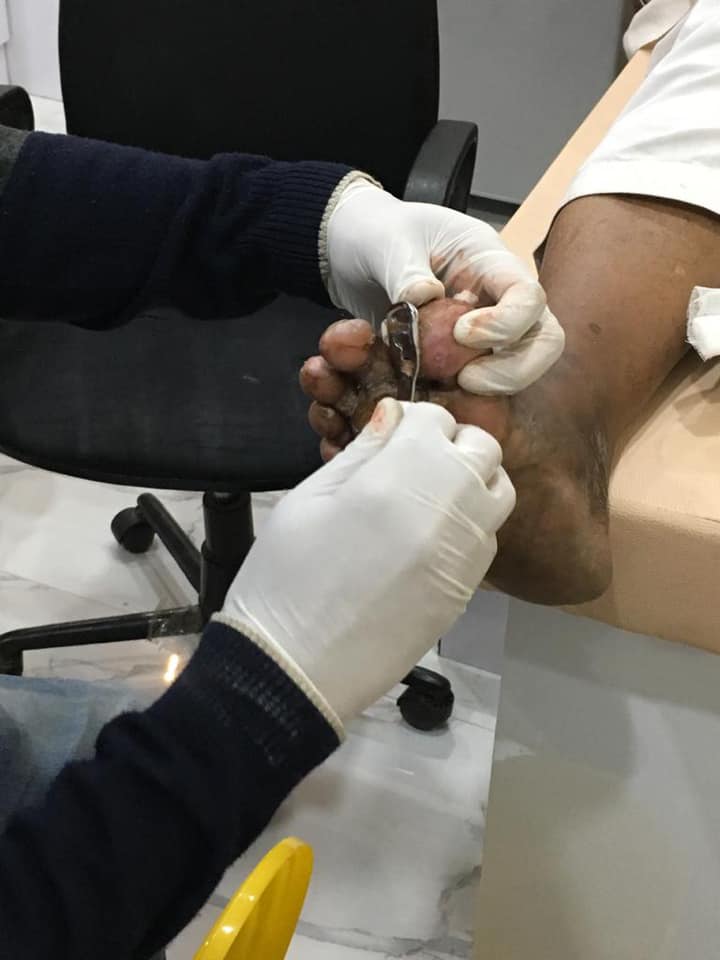 Diabetic Foot HealthWhen it comes to diabetic foot health, quality care can make all the difference. Here’s what makes Flagstaff Foot Doctors stand out:
- Experience: Our team has extensive experience handling even the most complex diabetic foot issues, including neuropathy management, wound care, and post-surgical recovery, ensuring you receive expert guidance at every stage of your care.
- Patient-Focused Care: We take the time to understand each patient’s unique needs and concerns. By crafting personalized treatment plans, we help ensure effective solutions that align with your health goals and fit seamlessly into your lifestyle.
- State-of-the-Art Techniques: Utilizing the latest diagnostic tools and proven treatment methods, we stay at the forefront of diabetic foot care to deliver optimal outcomes for every patient, prioritizing safety, effectiveness, and long-term health benefits.
- Comprehensive Services: From preventive foot health education to advanced medical and surgical treatments, our wide-ranging services address all aspects of diabetic foot care, helping to promote sustained health and prevent future complications.
At Flagstaff Foot Doctors, we see ourselves as partners in your health. Together, we’ll help you maintain feet that support an active and healthy lifestyle.
Taking the First Step Toward Long-Term Foot Health
Your feet are your foundation, and caring for them means investing in your future health. By prioritizing diabetic foot care, you can prevent complications, stay active, and protect your well-being. Start today by adopting daily care practices at home, scheduling regular checkups, and seeking expert advice when needed.
Take the next step toward long-term foot health by scheduling a consultation with Flagstaff Foot Doctors. Our team is here to provide the expertise, support, and tailored care you deserve. Together, we’ll keep your feet healthy, so you can focus on enjoying life to its fullest.
Don’t wait—contact us today to book your appointment and take control of your diabetic foot health.
Flagstaff Foot Doctors: Anthony Rosales DPM
https://www.google.com/maps?cid=8835841318590452161
421 N Humphreys St, Flagstaff, AZ 86001, United States
(928) 774-4825
https://flagstafffootandankle.com/
